A Forgotten Bridge Between Eras
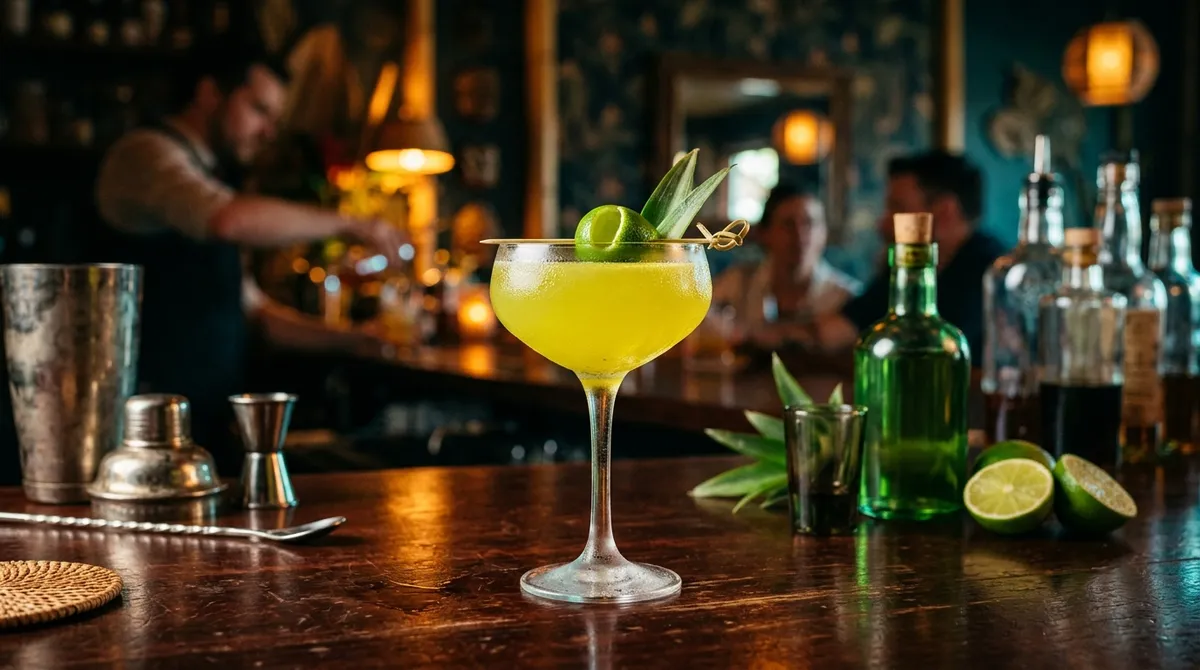
The cocktail world's fascination with vintage recipes has unearthed a remarkable pre-tiki treasure: the Pago Pago. According to reports, this refreshing cocktail first appeared in print in 1940's The How and When, predating the mainstream tiki craze that would later sweep American bars.
What makes the Pago Pago particularly intriguing is its role as a proto-tiki drink, serving as a bridge between Prohibition-era cocktails and the tropical culture that would define mid-century American drinking. The timing couldn't be better for its rediscovery, as tropical and vintage cocktail revivals continue to resonate with home bartenders.
The Original Recipe Framework
According to reports, the classic Pago Pago combines rum, green Chartreuse, crème de cacao, lime, and pineapple. This unique combination creates a complex flavor profile that distinguishes it from both its predecessors and the tiki drinks that would follow.
The choice of rum significantly impacts the final result. Reports indicate that rum agricole adds a distinctive grassy flavor compared to lighter Puerto Rican rum varieties, giving bartenders flexibility to customize the drink's character based on their preferred rum style.
Modern Adaptations and Improvements
One of the most practical challenges facing today's home bartenders is the scarcity and cult status of green Chartreuse, which makes recipes featuring this prized ingredient especially sought after. However, according to reports, there are opportunities for creative riffs using easier-to-find bottles.
The pineapple component also offers room for experimentation. Reports suggest that fresh pineapple chunks versus juice can dramatically alter the drink's texture and intensity. Additionally, bland pineapple may benefit from enhancement with salt, saline, or a small amount of simple syrup to boost the tropical flavors.
Perfect Timing for Summer Entertainment
The renewed interest in the Pago Pago aligns perfectly with current drinking trends. As summer entertaining season approaches and Father's Day gifting content gains momentum, this forgotten cocktail offers something both nostalgic and refreshingly different.
The drink's proto-tiki status makes it particularly appealing to cocktail enthusiasts who appreciate the historical context behind their beverages. Unlike the often elaborate presentations associated with full tiki culture, the Pago Pago maintains the relative simplicity of earlier cocktail traditions while introducing tropical elements.
Building on the Revival
According to reports, the rediscovery of the Pago Pago presents opportunities for expanded exploration of forgotten proto-tiki cocktails. This could include examining other pre-1950s recipes that incorporated tropical ingredients before tiki culture became mainstream.
The practical applications extend beyond historical curiosity. Reports suggest testing various approaches to the pineapple element, from comparing fresh chunks to juice, or exploring how salt and saline solutions can enhance pineapple-based cocktails more broadly.
A Testament to Cocktail Evolution
The Pago Pago represents more than just another vintage recipe to add to the modern bartender's repertoire. It serves as a fascinating glimpse into how cocktail culture evolved, showing how tropical flavors began infiltrating American drinking habits even before the post-war tiki boom.
For today's home bartenders and cocktail enthusiasts, the Pago Pago offers both a taste of history and a template for creativity. Whether prepared with the original specifications or adapted with modern techniques and available ingredients, this 1940s creation proves that the most refreshing discoveries often come from looking backward while mixing forward.
As vintage cocktail culture continues to influence contemporary drinking, the Pago Pago stands as a perfect example of how forgotten recipes can offer both historical insight and immediate enjoyment.