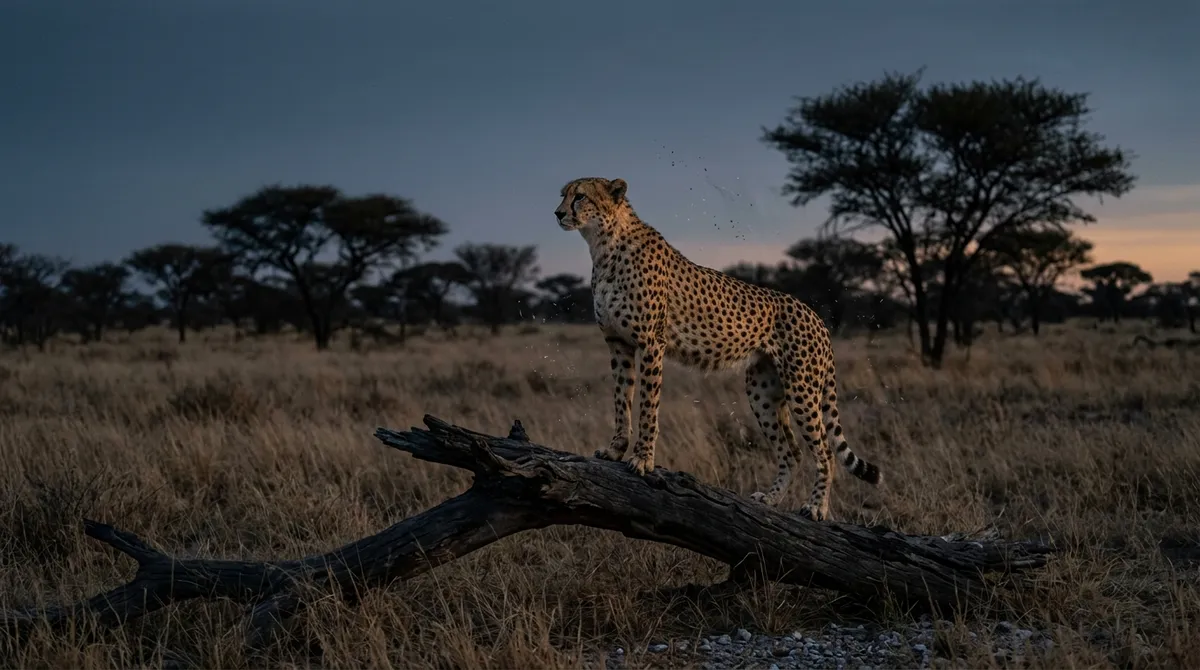
In a groundbreaking study led by the Leibniz Institute for Zoo and Wildlife Research, researchers have revealed how epigenetic mechanisms may play an essential role in the adaptability of Namibian cheetahs. This insight presents a fascinating case of how the same genetic makeup can lead to dramatically different behaviors and traits in these remarkable animals.
The Shift from Nomads to Territory Bosses
Free-ranging male cheetahs, often referred to as "floaters," typically roam vast territories in search of opportunities. However, the recent findings indicate that certain environmental factors can trigger epigenetic changes, particularly through DNA methylation, allowing some of these floaters to become formidable territorial males.
This shift is not merely a matter of chance; it highlights an incredible adaptability inherent in these creatures, even when faced with low genetic diversity. The study compellingly demonstrates that physical attributes can evolve rapidly in response to circumstances — an impressive feat given that many species rely primarily on genetic variation for adaptation.
Understanding Epigenetics
So, what is epigenetics? At its core, epigenetics involves changes in gene expression—essentially how genes are turned on or off—without altering the underlying DNA sequence itself. This can be influenced by various factors, including environmental conditions, which means that genetic traits can emerge or diminish based on interactions with surroundings.
For the cheetahs, this adaptation highlights a hidden layer of resilience. Instead of relying solely on genetic mutations over generations, these animals can exhibit significant changes within their lifetimes in response to environmental pressures. This adaptability is crucial as cheetahs face increasing threats from habitat changes and competition.
Implications for Conservation Science
As conservationists look for innovative ways to enhance the survival of threatened species, this study introduces the potential use of epigenetic markers as important tools for understanding resilience among vulnerable wildlife. If conservation strategies can harness the power of epigenetics, they could pave the way for more effective interventions aimed at preserving these magnificent creatures.
The Broader Picture
As the landscape of biodiversity changes due to climate change and human activities, understanding how species adapt is critical. The case of the cheetahs serves as a powerful reminder that adaptability can exist in surprising ways, even when genetic diversity is low. The findings prompt intriguing questions about the balance between genetic and epigenetic factors in wildlife adaptation.
In conclusion, the study of Namibian cheetahs reveals that they embody the phrase "same DNA, different destiny". As we continue to uncover the secrets of epigenetics, it becomes increasingly clear that the future of many species may rely not only on their genetics but also on their ability to adapt to changing environments. Keeping an eye on these adaptations could lead to more effective conservation strategies and a better understanding of animal behaviors. Tune in, as scientists continue to decode the hidden software of nature!