If your feed has been pushing the "Wolverine" peptide, you've probably wondered whether a injection could really speed up healing. Here's what's actually established about BPC-157, why experts are cautious, and where a food-first approach to recovery fits in.
What's happening with BPC-157
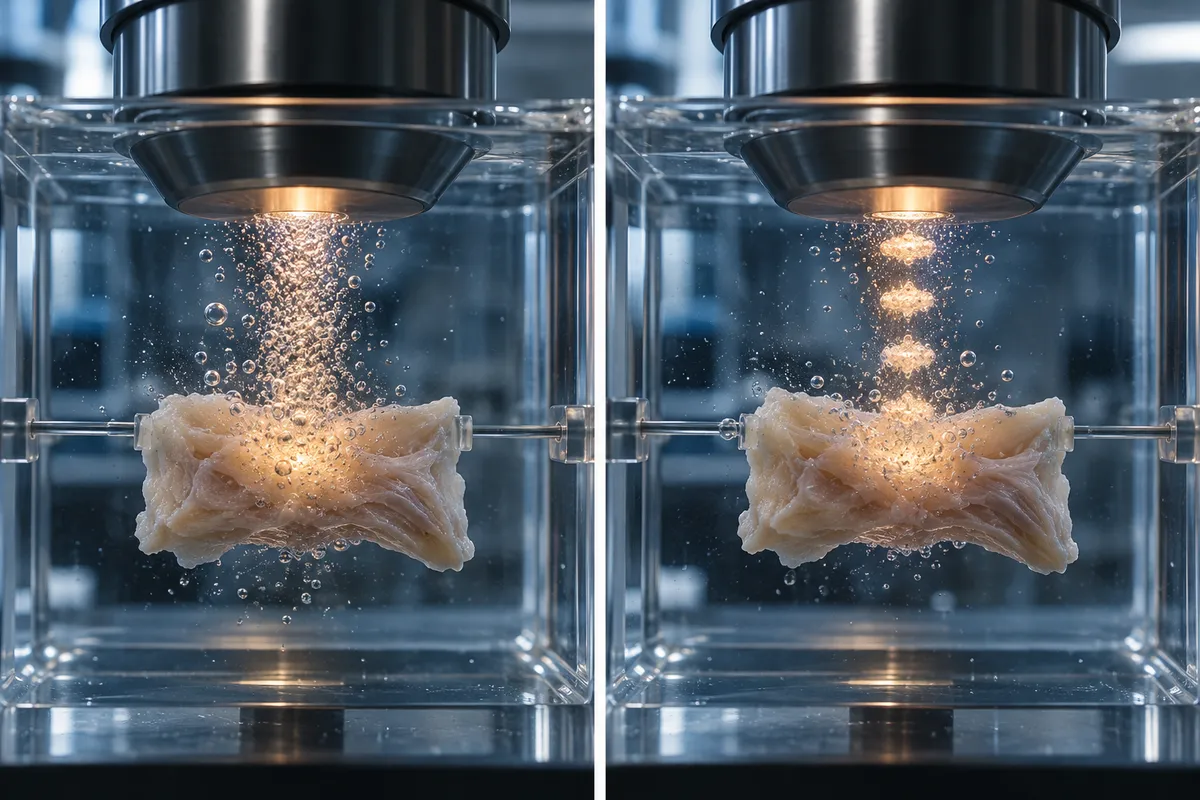
BPC-157 is a synthetic peptide nicknamed the "Wolverine" peptide because of claims that it helps the body heal rapidly. According to Healthline, its popularity is surging among wellness seekers who want pain relief and faster injury recovery.
The numbers are striking. Per the report, a new study found a 33-fold increase in documented users between 2020 and 2026. The report also notes that the FDA has recently eased restrictions on compounded peptides, and that high-profile figures such as RFK Jr. have been promoting peptides.
The catch: the human evidence is thin
Healthline reports that proponents tout injury recovery and pain relief, but there is limited human evidence establishing either safety or effectiveness. That's the core issue. Popularity is running ahead of clinical proof.
Experts quoted in the coverage advise against unapproved peptides until the potential for adverse reactions is better understood. That's a measured position, not a panic: the question isn't whether it sounds promising, it's whether anyone has shown it works and is safe in people.
What the FDA shift does and doesn't mean
The report points to a July 2024 FDA advisory vote related to allowing pharmacy compounding of BPC-157. It's easy to read that as a stamp of approval. It isn't one. Easing restrictions on compounding is a different thing from proving a treatment works, and the evidence gap Healthline describes remains.
My take: when a product becomes easier to get, it can feel more validated than it is. Availability and evidence are separate questions, so ask for the second before you act on the first.
Why people are drawn to it
Chronic pain and stubborn injuries are exhausting, and a catchy nickname plus social media testimonials offers a sense of control. That pull is understandable. Hype spreads faster than studies do, and the gap between the two is where people get burned.
A food-first recovery checklist
Nothing here replaces medical care for an injury, and none of it is a claim about BPC-157. These are everyday kitchen habits you can control while you talk to a clinician about the pain itself.
Build recovery meals around protein
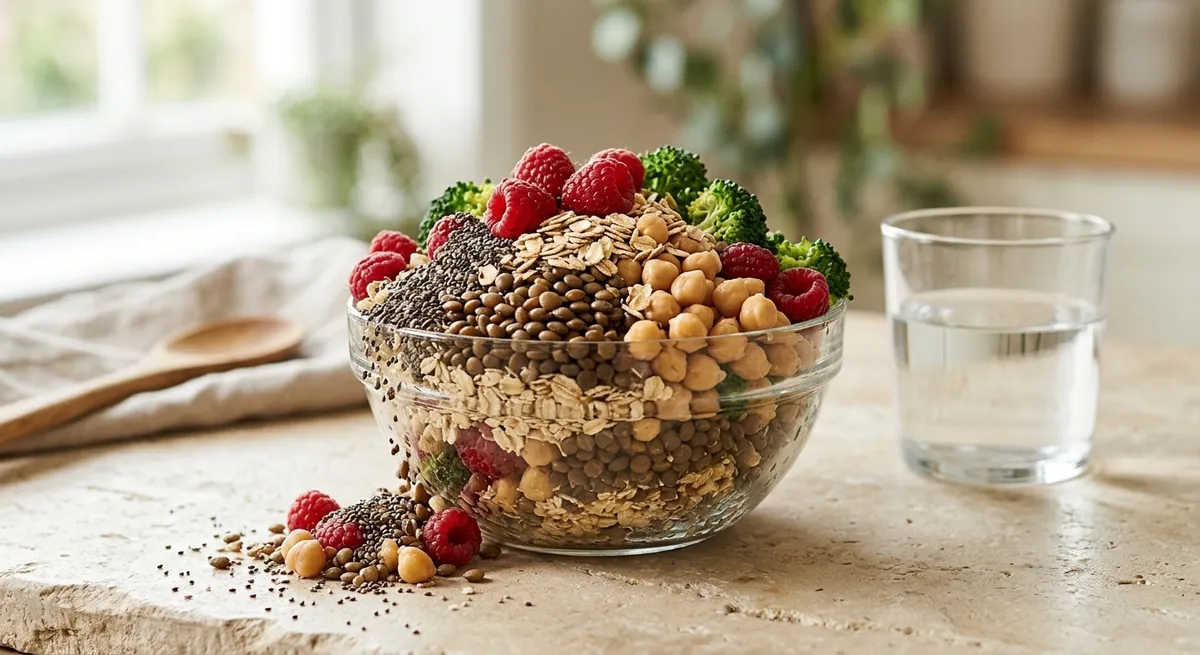
Aim to include a protein source at each meal: eggs at breakfast, fish or poultry at lunch, grass-fed meat or shellfish at dinner. If you follow a Paleo Diet, these fit naturally.
Fill the plate with color
Berries, leafy greens, peppers, and sweet potatoes add vegetables and fruit variety to your Meal Plans. Think of a simple rule: at least two colors on every plate.
Keep Healthy Snacks ready
Hard-boiled eggs, a handful of nuts, or fruit with almond butter keep you from skipping fuel on busy training or rehab days.
Hydrate and sleep
Water with meals and a consistent bedtime cost nothing and support the basics of how you feel day to day.
Bring in a professional
For lingering pain, a sports medicine clinician or physical therapist can build a plan around your specific injury. Ask them about options with a track record.
Questions to ask before trying any peptide
- Has it been approved for this use, or is it unapproved?
- What human studies exist, and what did they show?
- What adverse reactions are possible, and are they understood yet?
- Who is making it, and how is it regulated?
If you can't get clear answers, that's your answer for now.
The takeaway
Before you inject anything, put your effort into what has a track record: protein-rich meals, colorful produce, solid sleep, and a clinician who knows your injury. Revisit BPC-157 when human evidence catches up to the hype.