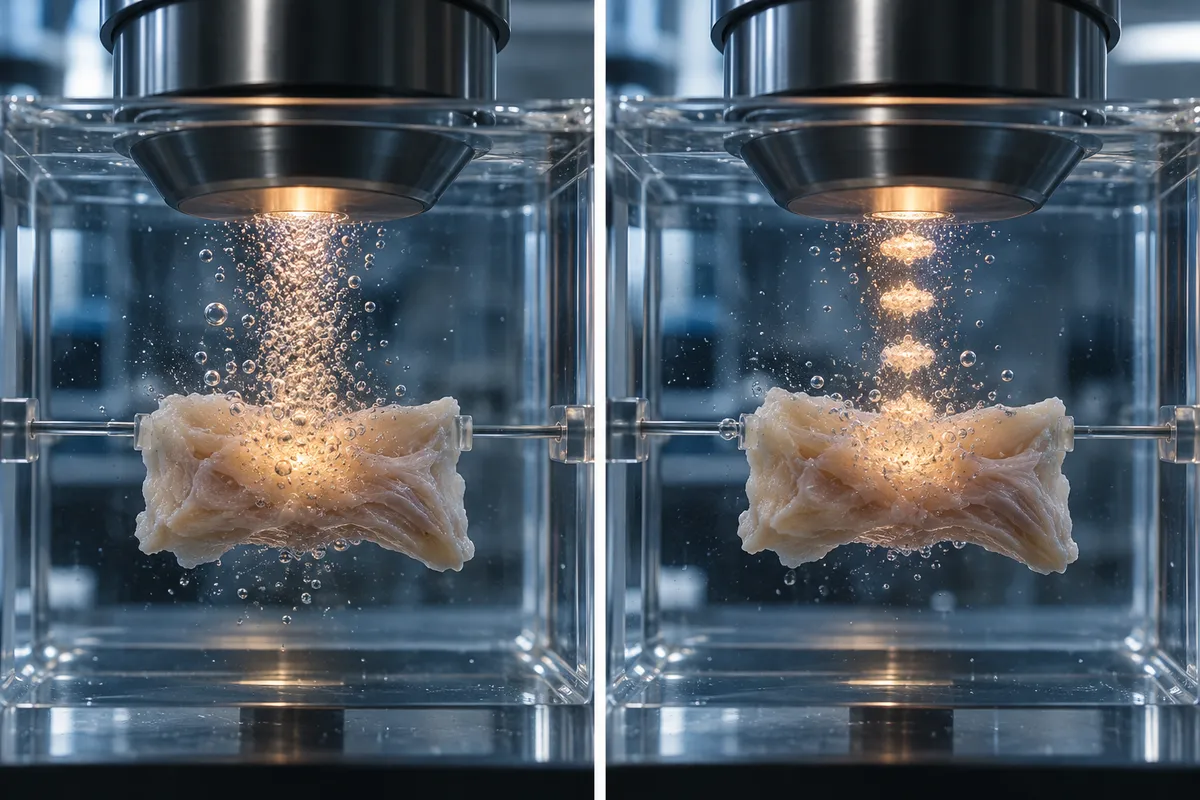
In a groundbreaking study, scientists have uncovered that winter ocean convection acts as a "mechanical shortcut," rapidly ferrying organic particles and microalgae from the surface to depths exceeding 1,000 meters. This process is far more efficient than the traditional gravity-driven sedimentation and plays a crucial role in understanding ocean carbon storage and climate regulation.
How Winter Ocean Convection Works
Winter storms create intense turbulence in the ocean, allowing for a more dynamic transport of organic matter. As turbulent waters mix, large amounts of microalgae, which are normally confined to the upper layers of the ocean, are propelled downward into the abyss. This phenomenon signals a vibrant carbon cycling process that could hold keys to addressing climate change.
The Discovery of Depths
Interestingly, new studies have even identified chlorophyll lurking at these extreme ocean depths. This discovery challenges previous assumptions about where life can thrive in the ocean. The presence of chlorophyll at such depths suggests that even the darkest parts of the ocean are participating in complex biological processes related to carbon cycling. Understanding how these particles sink and accumulate is essential for climate scientists trying to grasp the entire picture of underwater carbon storage.
Autonomous Underwater Robots: "The Eyes of Science"
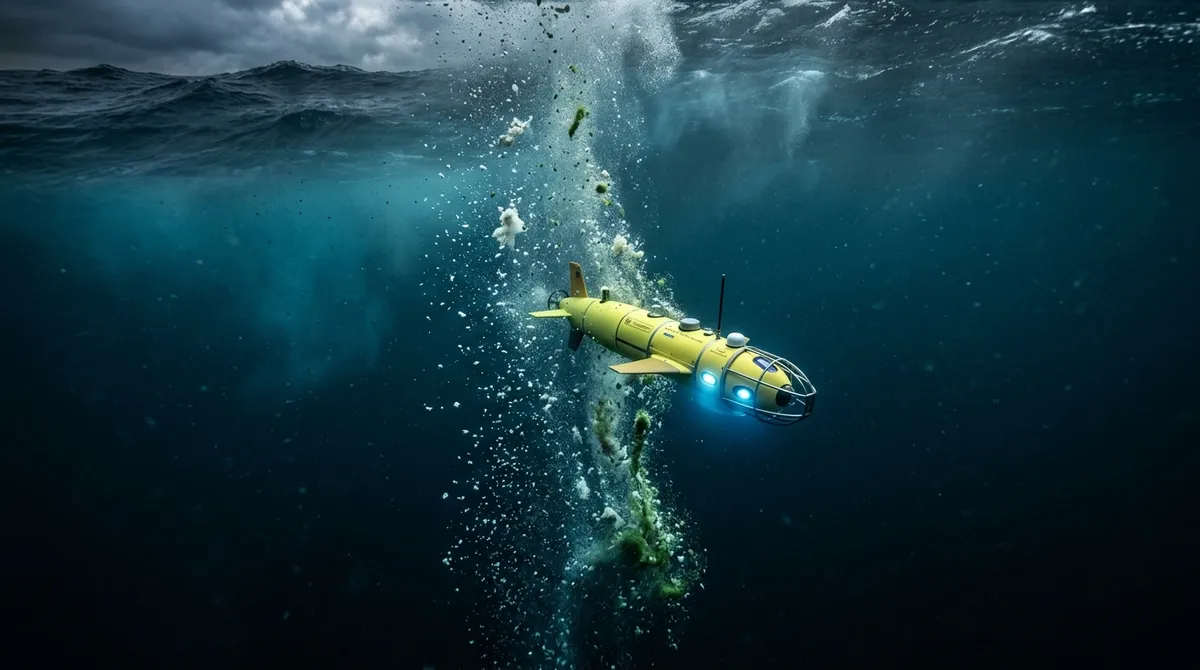
Thanks to advancements in technology, researchers are now using autonomous underwater robots, known as Argo floats, to assist in this exploration. These robots act as "eyes of science," capturing invaluable data from the deep ocean that was previously inaccessible. The information they gather helps scientists track the intricate pathways through which carbon is sequestered in ocean depths, thereby illuminating how marine ecosystems function and interact with our changing climate.
Why This Matters Today
The implications of these findings are particularly urgent as human activities threaten to disrupt critical ocean circulation patterns, especially in the North Atlantic. Strengthening our comprehension of how ocean systems capture and store carbon is vital for developing accurate climate models and for predicting the effects of climate change on marine life and global weather patterns.
As the effects of climate change loom ever closer, understanding these processes becomes not just a scientific curiosity—it’s a critical component in our fight for a balanced climate and a healthier planet.
Conclusion: The Future of Climate Research
By marrying marine biology, supercomputing, and climate modeling, scientists are poised to peel back layers of marine mysteries that impact life at all levels, from oceanic depths to the air we breathe. Leveraging technological advancements not only enhances our understanding of complex oceanographic processes, but also equips us with the tools needed to tackle the pressing challenges of climate change. As more discoveries unfold, the potential for innovation in climate solutions remains limitless.