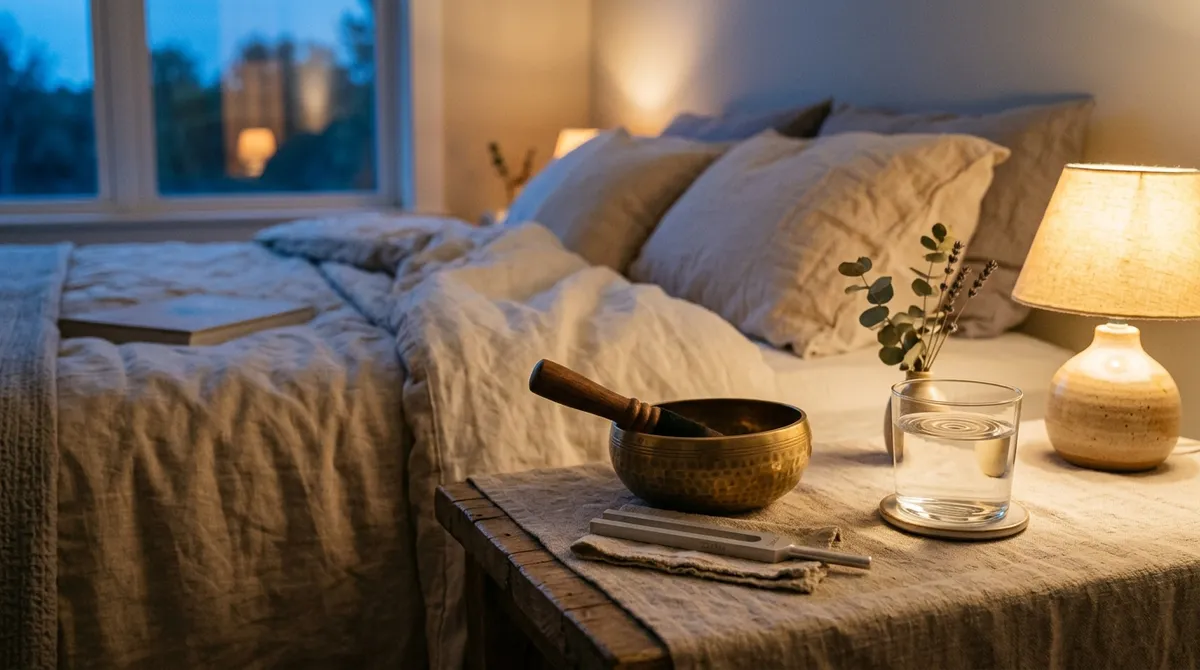
Are you feeling overwhelmed by stress or struggling to get a good night's sleep? You’re not alone. Many are turning to sound therapy as a natural solution for those everyday challenges. This ancient practice is gaining traction in modern wellness circles, backed by emerging research that suggests it might offer real benefits for stress relief and improved sleep.
What is Sound Therapy?
Sound therapy uses various sound techniques—like singing bowls, tuning forks, and acoustic vibrations—to promote relaxation and healing. This approach isn't just about listening to soothing music; it's about harnessing the vibrations and frequencies produced by these sources to heal the body and mind. The core idea is that different frequencies can affect our physical and mental state, easing anxiety and enhancing overall well-being.
The Science Behind the Sound
Recent studies have begun to explore the health effects of sound therapy, investigating its potential impact on stress, sleep, and pain management. Research suggests that sound therapy may help lower cortisol levels (the stress hormone) while promoting feelings of calm and relaxation. By focusing on frequencies that resonate with the body, sound therapy might even improve sleep quality, making it easier to drift off and stay asleep through the night.
How Sound Therapy Can Help You
Sound therapy can provide several key benefits:
- Stress Reduction: As stress levels rise, many seek effective, non-pharmaceutical solutions. Sound therapy aims to promote relaxation, helping soothe the nervous system and alleviate symptoms of anxiety.
- Better Sleep: Struggling to get enough quality sleep? Sound therapy may aid in enhancing your sleep cycle by creating a more tranquil environment, either through sound baths or individual sound sessions.
- Pain Management: Emerging evidence suggests that certain sound frequencies may help reduce pain perception, allowing for improved recovery and comfort.
Getting Started with Sound Therapy at Home
Try a Sound Bath
Sound baths are group sessions where participants lie down and listen to the soothing sounds produced by instruments like singing bowls and gongs. If you’re interested in a more personal experience, you can create your own home sound bath by:
- Gathering Your Instruments: Look for singing bowls or tuning forks, or use recorded sound bath sessions available online.
- Setting the Atmosphere: Find a quiet space where you won’t be disturbed. Dim the lights and make it comfortable—consider adding cushions or blankets.
- Letting the Sound Flow: Lie down, close your eyes, and simply listen. Focus on how the vibrations make you feel, allowing your mind to drift away from daytime stresses.
Incorporate Tuning Forks
Tuning forks can be used to target specific energetic points in the body, similar to acupuncture or massage therapy. To try a DIY session:
- Choose Your Forks: You can find a range of tuning forks that correspond to different frequencies. Start with one or two.
- Use Them on Acupressure Points: Gently strike a tuning fork, then hold the base against acupressure points on your body, like the center of your forehead or the base of your skull. Feel the vibrations as they resonate throughout.
Explore Acoustic Vibration Techniques
Acoustic vibration techniques may include playing soft music or nature sounds while you meditate or practice yoga. Here’s how:
- Create Your Playlist: Choose calming tracks that incorporate natural sounds or sounds specifically designed for relaxation.
- Integrate with Other Practices: Play this music during yoga, meditation, or breathing exercises to enhance your experience and deepen relaxation.
The Future of Sound Therapy
As sound therapy continues to gain attention, it’s essential to approach it as a complementary practice rather than a stand-alone solution. Pair it with healthy lifestyle choices such as a balanced diet, regular exercise, and adequate sleep for the best results.
By embracing these sound-based therapies, you may find a unique and effective path to manage stress and enhance your sleep. Whether you attend sound baths, experiment with tuning forks, or create acoustic environments at home, tapping into the power of sound may just help you reclaim calm in your life. Sound healing isn’t just about the vibrations—you’ll discover it's about nurturing yourself holistically and inviting tranquility into your daily routine.