The Premium Wine Pricing Myth Gets Tested
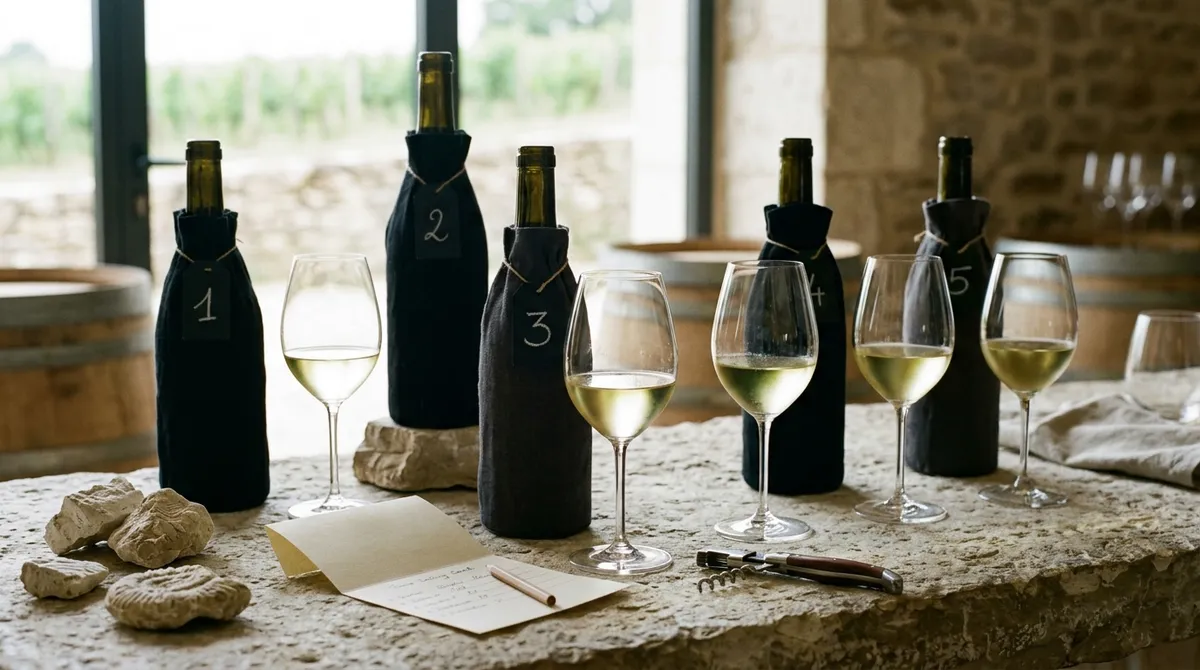
With cost-of-living pressures mounting, wine enthusiasts are increasingly questioning whether premium pricing actually delivers superior quality. A recent blind tasting experiment put this theory to the test, specifically examining whether cheaper supermarket Chablis bottles can compete with their expensive counterparts.
According to reports, a wine expert conducted a comprehensive blind tasting of supermarket Chablis wines, comparing budget options against a premium £25 bottle to determine if expensive truly means better.
Understanding What Makes Chablis Special
Before diving into the tasting results, it's important to understand what sets Chablis apart from other wines. This distinctive white wine comes from a specific Burgundy region where Chardonnay grapes grow in unique fossil-rich soil. The vines develop deep root systems, extending 15 feet underground without requiring irrigation.
This terroir creates Chablis's signature flavor profile, characterized by distinctive marzipan and lemon notes that distinguish it from Chardonnay produced in other regions.
The Surprising Winner
The blind tasting results challenged conventional wisdom about wine pricing. The £25 Tesco Chablis Premier Cru emerged as the clear winner, according to reports, beating both more expensive options and cheaper alternatives through its superior balance of richness, acidity, and complexity.
This premium supermarket selection demonstrated that supermarket chains can source exceptional wines when they invest in quality products, even at higher price points.
Mid-Range Excellence
Perhaps more surprisingly for budget-conscious consumers, a £13 Lon Deloney Chablis performed exceptionally well in the blind tasting. This mid-range option proved that excellent supermarket Chablis exists at accessible price points, offering quality that rivals more expensive bottles.
This finding suggests that the sweet spot for quality Chablis might not require breaking the bank, with thoughtful shopping yielding impressive results in the £10-15 range.
What Really Matters: Beyond Official Classifications
The tasting revealed important insights about what to prioritize when shopping for Chablis under £15. According to the expert's findings, grower reputation and vineyard age—particularly old vines—can matter more than official wine classifications like Premier Cru versus village Chablis.
This suggests that savvy consumers should research producers and look for indicators of vineyard maturity rather than simply relying on official appellations to guide their purchasing decisions.
Red Flags to Avoid
The tasting also identified key characteristics that indicate poor-quality Chablis. Consumers should avoid wines that taste flat, overly acidic, or one-dimensional, as these indicate poor terroir expression or winemaking issues.
What to Look For Instead
Quality Chablis should exhibit specific flavor profiles that indicate proper terroir expression. Look for wines with zippy citrus notes, saline characteristics, and buttery richness—these elements suggest the wine properly expresses the unique qualities of the Chablis region's fossil-rich soils.
The combination of these flavor elements creates the complex, layered profile that makes authentic Chablis worth seeking out, regardless of price point.
Broader Implications for Wine Shopping
This blind tasting format offers a valuable approach for consumers across all wine categories. By removing price bias and brand recognition, blind tastings can help identify genuine quality regardless of marketing or premium positioning.
The methodology could easily be applied to other wine regions, spirits, or even food categories, empowering consumers to make smarter purchasing decisions based on actual quality rather than perceived value.
The Bottom Line
The results demonstrate that exceptional Chablis exists across multiple price points, with supermarket options capable of competing with premium bottles. Success lies in understanding what to look for—proper terroir expression, balanced acidity, and complexity—rather than simply choosing the most expensive option available.
For budget-conscious wine enthusiasts, this research provides hope that quality doesn't always require premium pricing, though it does require informed shopping and willingness to explore beyond the most obvious choices.