Premium Pricing Doesn't Always Mean Premium Quality
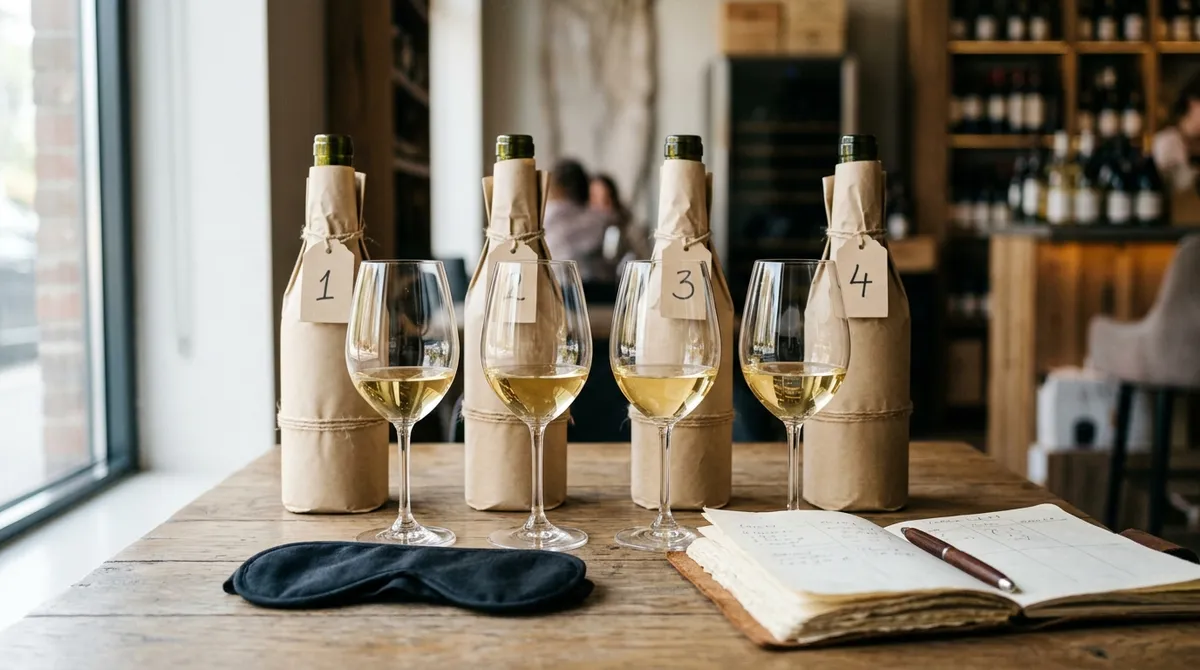
A recent blind tasting experiment has challenged conventional wisdom about wine pricing, revealing that budget-friendly Chablis bottles can compete directly with their expensive counterparts. According to reports, a wine expert conducted a comprehensive comparison of supermarket Chablis wines against a premium £25 bottle, with surprising results that could change how consumers approach wine shopping.
The standout winner was a £25 Tesco Chablis Premier Cru, which earned top marks for its exceptional balance of richness, acidity, and complexity. However, the real revelation came from a £13 Lon Deloney Chablis that performed exceptionally well in the blind tasting, proving that excellent supermarket options exist at mid-range price points.
Understanding What Makes Chablis Special
Chablis represents a unique expression of Chardonnay, grown in a specific Burgundy region where the terroir creates distinctive characteristics. According to the expert analysis, Chablis vineyards feature fossil-rich soil that allows vines to root as deep as 15 feet without requiring irrigation. This natural growing environment contributes to the wine's characteristic marzipan and lemon flavor profiles that distinguish quality Chablis from generic Chardonnay.
The deep root systems and mineral-rich soil create wines with distinctive saline notes and zippy citrus characteristics that reflect proper terroir expression. These natural elements explain why authentic Chablis commands attention from wine enthusiasts, regardless of price point.
Smart Shopping Strategies for Wine Enthusiasts
The tasting results revealed important insights for budget-conscious wine shoppers. According to reports, grower reputation and vineyard age, particularly old vines, can matter more than official classifications when shopping for bottles under £15. This finding suggests that consumers shouldn't automatically assume Premier Cru designations guarantee superior quality compared to village-level Chablis.
When evaluating potential purchases, wine experts recommend avoiding bottles that appear flat, overly acidic, or one-dimensional. Instead, seek wines that demonstrate zippy citrus notes, saline characteristics, and buttery richness—indicators of proper terroir expression that suggest quality regardless of price.
The Cost-of-Living Connection
This blind tasting experiment arrives at a particularly relevant time, as cost-of-living pressures mount for many households. The results demonstrate that wine shoppers don't need to sacrifice quality when working within tighter budgets, provided they understand what characteristics to seek.
The exceptional performance of the £13 Chablis proves that supermarket wine sections can yield impressive discoveries for knowledgeable shoppers. This finding empowers consumers to make informed purchasing decisions without feeling pressured to choose the most expensive option available.
Practical Applications for Food Pairing
The characteristics that make quality Chablis stand out—balanced acidity, mineral notes, and citrus brightness—also make these wines excellent food pairing companions. The buttery richness identified in top-performing bottles complements seafood dishes, while the zippy acidity cuts through rich sauces and creamy preparations.
For health-conscious food enthusiasts following paleo or other nutrition-focused approaches, understanding wine quality markers helps make informed choices about alcohol consumption. The mineral complexity found in quality Chablis reflects the natural terroir expression that aligns with preferences for minimally processed, authentic food and beverage products.
Replicating the Experiment
The blind tasting format offers opportunities for food and wine enthusiasts to conduct their own experiments. This approach could extend beyond Chablis to other wine regions, spirits, or even food categories, helping consumers debunk premium pricing myths across various product categories.
By focusing on objective quality indicators rather than price points or marketing claims, shoppers can develop more sophisticated palates while discovering excellent value options that might otherwise be overlooked in favor of more expensive alternatives.