What Is Precommitment and Why Does It Work?
According to dietitians, there's a simple strategy that can help you maintain healthier eating habits even when stress strikes: precommitment. This approach involves making food decisions before stress, hunger, or cravings hit, rather than relying on willpower in the moment.
A small study highlighted in recent reports found that stress pushes people toward tastier, less healthy food choices. However, removing temptations ahead of time can significantly support healthier decisions when you're under pressure.
The concept behind precommitment is straightforward - by planning your meals and snacks when you're calm and thinking clearly, you set your future self up for success without having to battle decision fatigue or stress-induced cravings.
The Science Behind Stress Eating
According to reports, stress eating has become a common wellness challenge, particularly as people juggle busy schedules and health goals while experiencing decision fatigue. When we're stressed, our brains naturally gravitate toward foods that provide immediate comfort and satisfaction, often at the expense of our nutritional goals.
This is where precommitment becomes particularly valuable. Instead of fighting your stressed brain's natural tendencies, you're working with systems you've already put in place during calmer moments.
Practical Precommitment Strategies
Design Your Kitchen for Success
One of the most effective ways to implement precommitment is by designing your kitchen environment so healthy choices become automatic. This means removing unhealthy temptations from easily accessible spots and keeping nutritious options front and center.
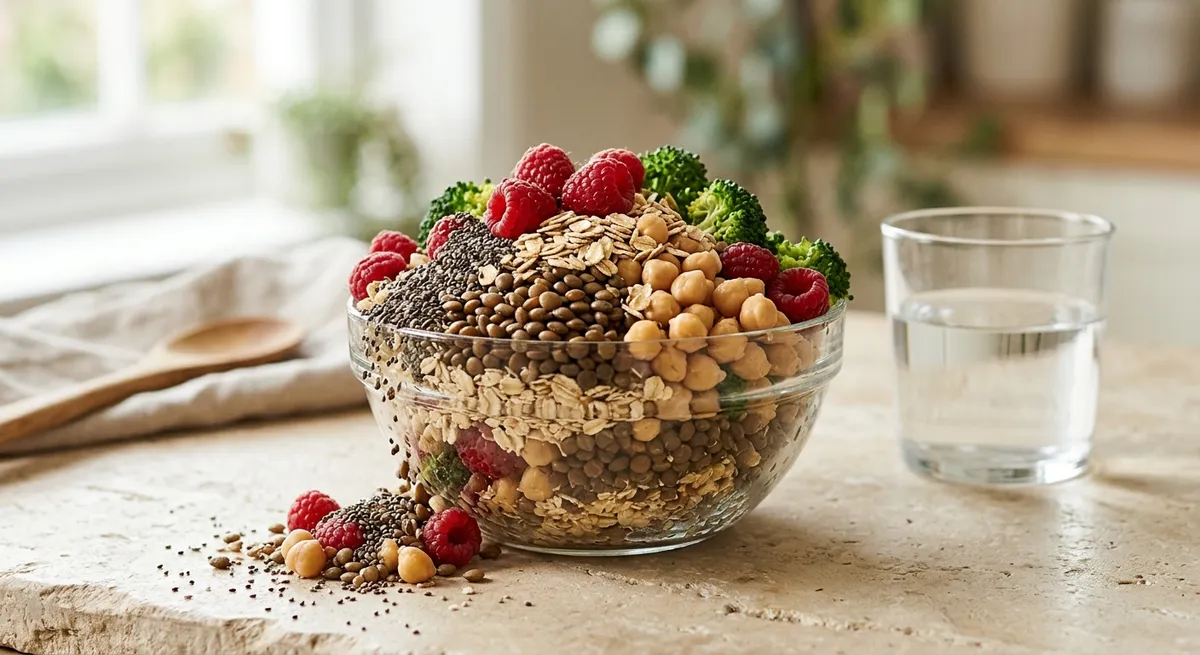
Stock your refrigerator and pantry with paleo-friendly options like fresh vegetables, quality proteins, nuts, and seeds. When stress hits and you reach for a snack, you'll naturally grab what's available and convenient.
Master Your Grocery Planning
Create detailed grocery lists when you're not hungry or stressed. Focus on whole foods that align with your paleo lifestyle: grass-fed meats, wild-caught fish, organic vegetables, and healthy fats like avocados and olive oil.
By shopping with a predetermined list, you avoid impulse purchases that might sabotage your health goals later. This strategy also helps you save money by preventing unnecessary purchases.
Meal Prep as Precommitment
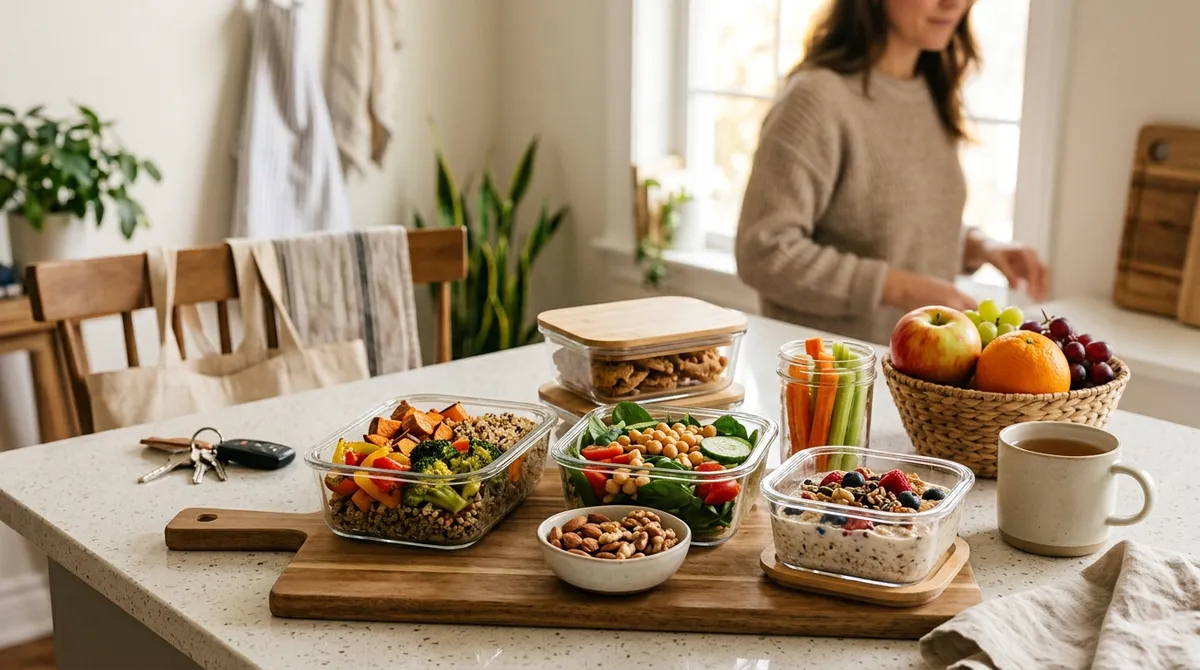
Meal preparation is perhaps the ultimate form of precommitment. When you batch-cook proteins, chop vegetables, and portion out snacks during your free time, you're making decisions for your future self when you're likely to be rushed or stressed.
Prepare paleo-friendly meals that can be quickly reheated or assembled. Think pre-cooked chicken breast, roasted vegetables, and portioned nuts or seeds for easy snacking.
Plan Restaurant Choices in Advance
According to reports, dietitians recommend planning your restaurant choices ahead of time. When you know you'll be dining out, review menus in advance and decide what you'll order before you arrive. This prevents you from making impulsive choices when you're hungry and faced with tempting options.
Making Healthy Eating Feel Easier
The strongest angle of precommitment, according to reports, is making healthy eating feel easier and less restrictive rather than requiring more discipline. This approach recognizes that willpower is a limited resource that becomes depleted under stress.
Beat Decision Fatigue
By reducing the number of food-related decisions you need to make throughout the day, precommitment helps combat decision fatigue. When your healthy meals and snacks are already planned and prepared, you can focus your mental energy on other important tasks.
Create Automatic Healthy Habits
Precommitment works because it transforms conscious decisions into automatic behaviors. When you consistently prepare healthy options in advance, reaching for nutritious foods becomes your default response rather than something you have to actively choose.
Getting Started with Precommitment
Begin implementing precommitment strategies gradually. Start with one area, such as preparing healthy snacks for the week, then expand to meal planning and kitchen organization.
Remember that this strategy is about setting yourself up for success, not perfection. Even small acts of precommitment, like packing a paleo-friendly snack before leaving the house, can make a significant difference in your eating patterns.
The key is consistency - the more you practice making food decisions in advance, the more natural and effective this strategy becomes at supporting your health goals, even during stressful times.