The Breakfast Gap in Women's Nutrition
A recent dietitian analysis of a 50-year-old health coach's daily meals has highlighted a critical nutrition gap that many women over 50 may be experiencing: inadequate breakfast protein distribution.
According to reports, the dietitian reviewed health coach Naomi Singer's plant-rich "day on a plate," praising several aspects of her nutrition choices while identifying key areas for improvement. The evaluation found that while Singer's overall diet excelled in fiber, phytonutrients, and fermented foods, her breakfast portion was too light to support optimal health for women in her age group.
Why Protein Timing Matters After Menopause
The analysis reveals that women over 50 require more evenly distributed protein throughout the day, particularly following exercise sessions. This nutritional strategy becomes increasingly important for supporting muscle maintenance, bone health, and healthy aging processes.
According to the dietitian's assessment, the shift in nutritional needs reflects broader changes that occur during and after menopause. Rather than focusing on caloric restriction, the emphasis for women over 50 should center on strategic nutrient timing and adequate protein intake.
Beyond Traditional Diet Advice
The review represents a significant shift in wellness conversations surrounding women's nutrition. According to reports, nutrition advice for women over 50 is evolving beyond the traditional "eat less" mentality toward approaches that prioritize protein intake, recovery support, and metabolic health optimization.
This evolution aligns with growing discussions around menopause support, longevity planning, and strength-focused aging strategies. The breakfast meal serves as a practical starting point for implementing these nutritional changes in daily routines.
Plant-Based Nutrition Considerations
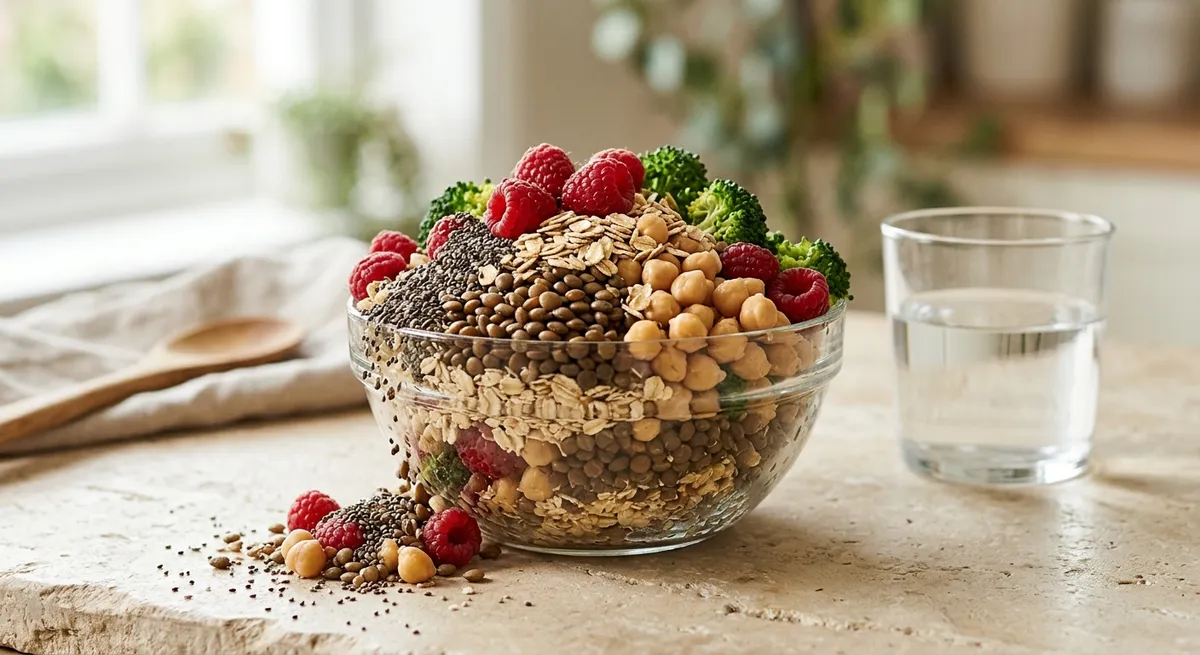
While Singer's plant-rich approach earned praise for its gut health benefits, the dietitian's review highlighted potential gaps in muscle health support. The analysis suggests that women following plant-based eating patterns need to pay particular attention to leucine intake, calcium absorption, and overall protein distribution throughout the day.
According to the assessment, the challenge lies in balancing the undeniable gut health advantages of plant-rich diets with the muscle and bone health requirements that become more critical after age 50.
Post-Workout Breakfast Strategy
The dietitian's review particularly emphasized the importance of post-exercise nutrition timing. For women over 50, the breakfast meal following morning workouts represents a crucial opportunity to support muscle protein synthesis and bone health maintenance.
Reports indicate that this timing consideration becomes especially relevant as the body's ability to efficiently process and utilize protein may change with age and hormonal shifts associated with menopause.
Practical Implementation Approaches
The dietitian's analysis suggests focusing on "what to add, not restrict" when adjusting nutrition patterns for women over 50. This approach represents a departure from traditional diet culture messaging and instead emphasizes nutritional adequacy and strategic timing.
According to the review, breakfast upgrades offer an accessible entry point for women looking to optimize their nutrition without overhauling their entire eating pattern. The goal is making evidence-based nutrition advice feel both simple and actionable for daily implementation.
Balancing Multiple Health Goals
The evaluation of Singer's daily eating pattern illustrates the complex balance required in nutrition planning for women over 50. While her choices excelled in supporting gut health through fiber and fermented foods, the analysis revealed opportunities to better support muscle and bone health through improved protein distribution.
This balance reflects the multifaceted health considerations that become increasingly important as women age, requiring nutrition strategies that address gut health, muscle maintenance, bone density, and metabolic function simultaneously.
The dietitian's review ultimately suggests that women over 50 can maintain plant-rich eating patterns while making strategic adjustments to better support their changing nutritional needs, particularly around exercise timing and protein distribution throughout the day.