The Protein Gap in Traditional Indian Meals
A fitness coach has developed a comprehensive protein guide specifically for busy Indian women, addressing a common nutritional challenge in traditional Indian cooking. According to reports, popular meals like dal-roti-sabzi, poha, dosa, and khichdi are healthy but often fall short on protein content when eaten alone.
The guide comes at a time when protein has become a major wellness focus in India, particularly among women juggling fat loss goals, strength training, hormonal balance, aging concerns, and demanding schedules. Rather than simply cutting calories, the approach emphasizes building balanced, sustainable meals with adequate protein.
Essential Protein Anchors for Indian Kitchens
The protein cheat sheet identifies key "anchors" that can easily boost daily protein intake to the recommended 90-120 grams. These practical options include both vegetarian and non-vegetarian choices:
Animal Proteins:
- 4 whole eggs provide 24g protein
- 200g egg whites deliver 22g protein
- 100g chicken breast contains 25-30g protein
- 100g fish offers 22-25g protein
- 100g prawns supply 20-24g protein
Vegetarian Options:
- 100g paneer provides 18-20g protein
- 150g tofu contains 18-22g protein
- 200g Greek yogurt or hung curd offers 18-22g protein
- 1 scoop whey or plant protein powder delivers 22-25g protein
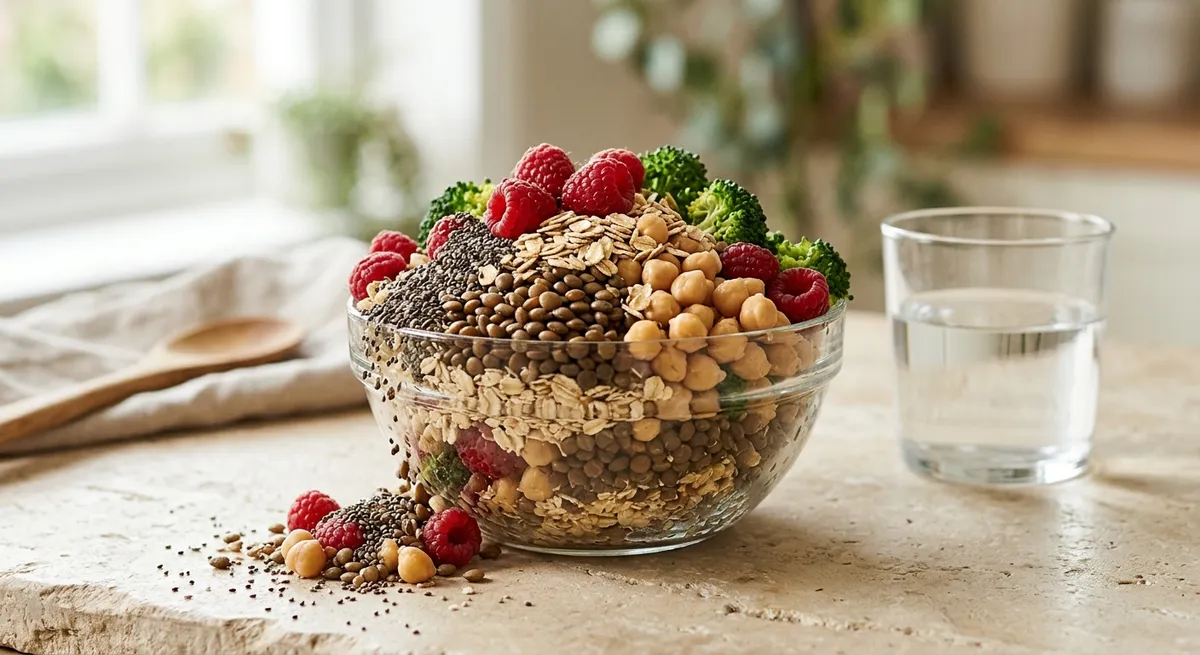
- 1 cup cooked chana, rajma, or dal provides 12-18g protein
- 50g dry soya chunks contain 25g+ protein
- 100g tempeh offers 18-20g protein
Smart Protein Combinations
The guide also suggests practical meal combinations that Indian women can easily incorporate into their daily routines:
- 1 bowl curd plus 2 boiled eggs = 25g protein
- 2 besan chillas with curd = 22-28g protein
- Paneer or tofu bhurji with 1 roti = 25g+ protein
These combinations work particularly well for busy working women who need quick, 5-minute protein fixes that don't require extensive meal preparation or expensive ingredients.
Upgrading Familiar Indian Meals
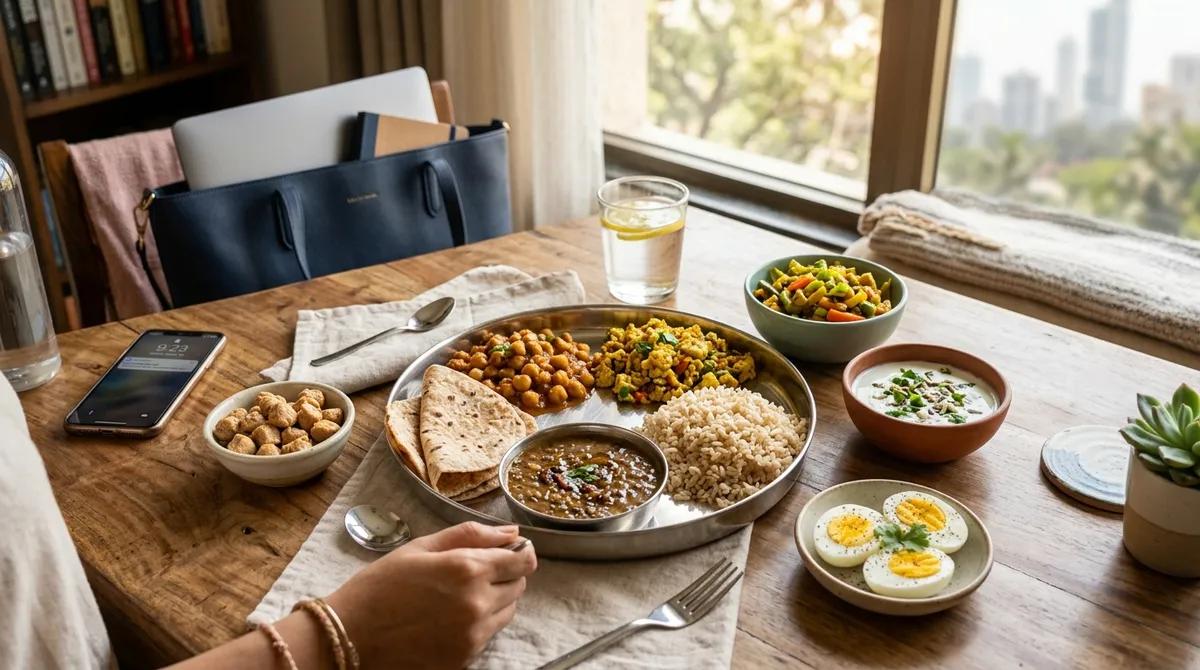
Rather than completely overhauling traditional eating patterns, the approach focuses on strategic upgrades to familiar dishes. For example, the standard dal-roti-sabzi combination can be transformed into a high-protein plate by adding paneer to the sabzi, using protein-rich dal varieties, or including a side of Greek yogurt.
This method acknowledges the reality that busy women often rely on quick, familiar meals but need practical ways to boost their nutritional value without adding complexity to their routines.
Meeting Modern Wellness Goals
The protein guide addresses the growing shift in Indian wellness culture from simple calorie restriction to more sophisticated nutritional planning. According to reports, women are increasingly focused on building sustainable eating patterns that support multiple health goals simultaneously – from body composition changes to hormonal health and aging gracefully.
The emphasis on protein particularly resonates with women engaged in strength training or those looking to maintain muscle mass while managing busy careers and family responsibilities.
Practical Implementation
The beauty of this protein cheat sheet lies in its practicality for the Indian kitchen. Most of the recommended protein sources are readily available in Indian markets and can be prepared using familiar cooking methods. Soya chunks, paneer, eggs, and various lentils are staples that require minimal special preparation.
For working women managing tight schedules, having a clear understanding of protein values in common foods can streamline meal planning and grocery shopping. Knowing that 100g of chicken breast provides nearly a quarter of daily protein needs, or that a simple combination of curd and boiled eggs delivers 25g protein, makes it easier to construct nutritionally complete meals throughout the day.
This systematic approach to protein planning represents a practical solution for Indian women seeking to optimize their nutrition without abandoning their cultural food preferences or adding significant complexity to their already busy lives.