The Protein Gap in Traditional Indian Meals
While traditional Indian meals like dal-roti-sabzi, poha, dosa, and khichdi offer nutritional value, they often fall short on protein content according to recent fitness guidance targeting busy Indian women. A new protein "cheat-sheet" addresses this gap by providing practical solutions for women aiming to reach 90-120g of protein daily.
Protein has emerged as a major wellness focus in India, particularly among women juggling fat loss goals, strength building, hormonal balance, aging concerns, and demanding schedules. This shift represents a move away from simple calorie-cutting toward building balanced, sustainable meals with adequate protein content.
Essential Protein Anchors for Daily Meals
According to the guidance, several "protein anchors" can easily upgrade familiar Indian dishes without adding complexity or expense. The recommendations include both vegetarian and non-vegetarian options:
Animal-Based Proteins:
- 4 whole eggs provide 24g protein
- 200g egg whites deliver 22g protein
- 100g chicken breast contains 25-30g protein
- 100g fish offers 22-25g protein
- 100g prawns supply 20-24g protein
Vegetarian Options:
- 100g paneer provides 18-20g protein
- 150g tofu delivers 18-22g protein
- 200g Greek yogurt or hung curd contains 18-22g protein
- 1 scoop whey or plant protein powder offers 22-25g protein
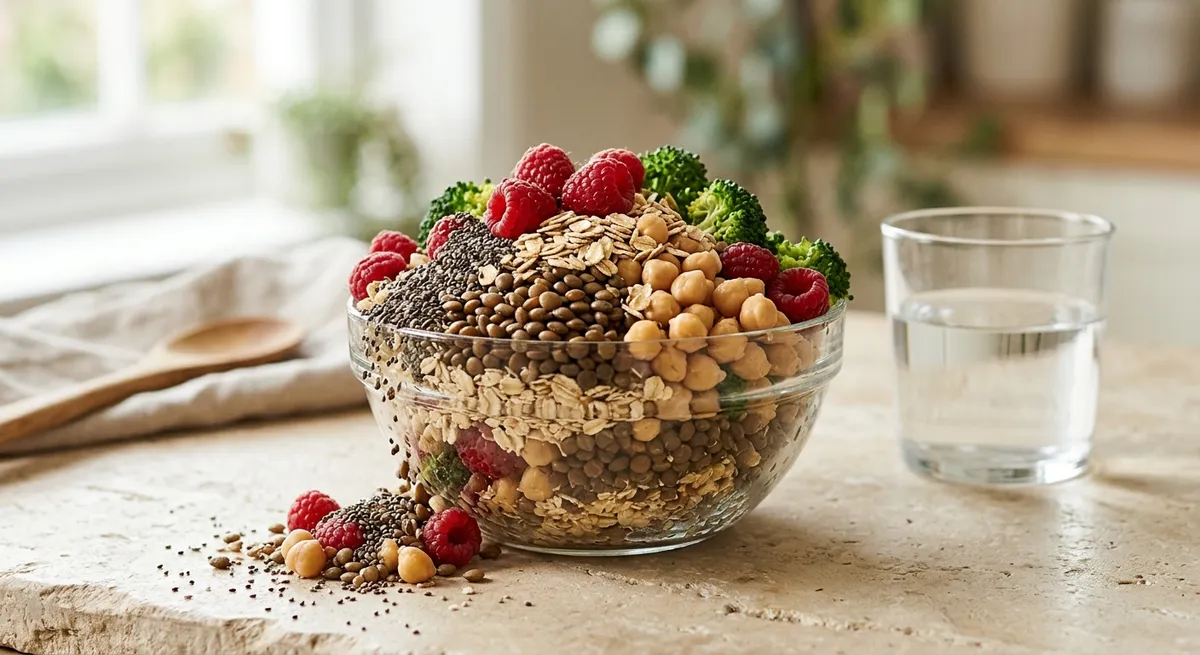
- 1 cup cooked chana, rajma, or dal provides 12-18g protein
- 50g soya chunks (dry weight) delivers 25g+ protein
- 100g tempeh contains 18-20g protein
Smart Meal Combinations
The approach emphasizes combining protein sources with traditional Indian foods to create satisfying, protein-rich meals. Practical combinations include:
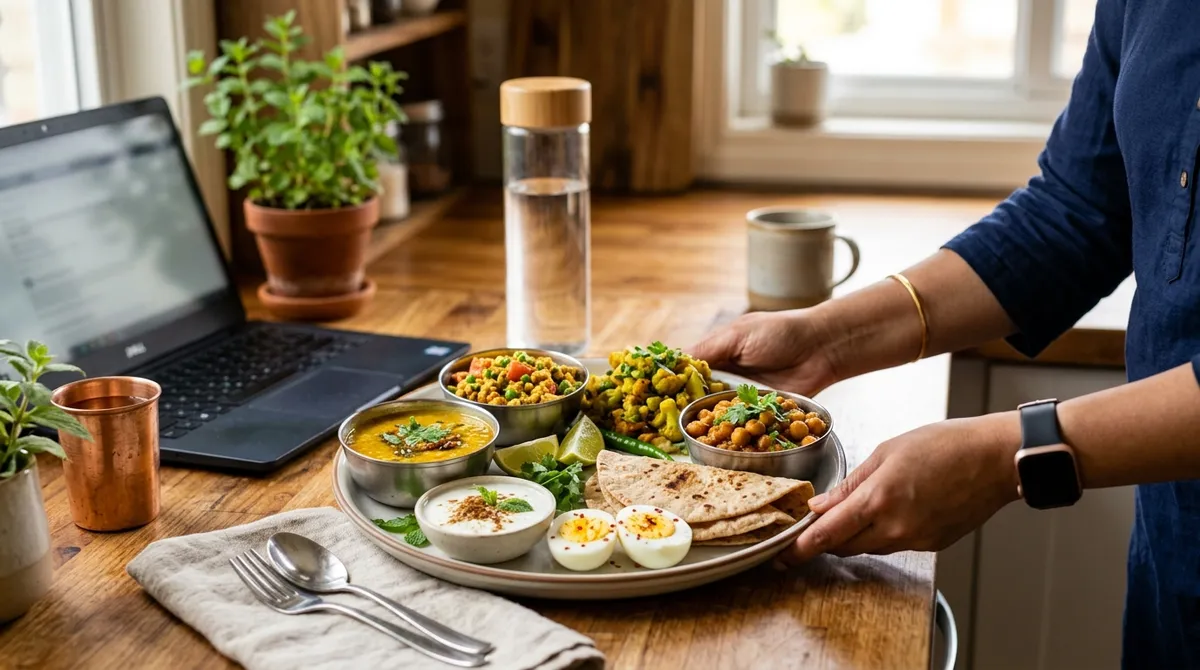
- 1 bowl curd plus 2 boiled eggs for 25g protein
- 2 besan chillas with curd providing 22-28g protein
- Paneer or tofu bhurji with 1 roti delivering 25g+ protein
These combinations work particularly well for busy working women seeking quick, nutritious meal solutions that fit into established eating patterns.
Upgrading Traditional Favorites
The key insight lies in transforming familiar dishes rather than completely overhauling dietary habits. Traditional dal-roti-sabzi can become a high-protein plate with simple additions like extra paneer, tofu, or an egg preparation on the side.
This approach acknowledges that busy women need practical, sustainable solutions rather than complicated meal plans. By focusing on "protein anchors," the strategy allows for flexibility while ensuring adequate protein intake throughout the day.
Meeting Modern Wellness Goals
The emphasis on protein reflects broader wellness trends among Indian women who are increasingly focused on building muscle, managing weight sustainably, and supporting overall health through nutrition. Unlike restrictive dieting approaches, this method emphasizes addition rather than elimination.
For working women managing multiple responsibilities, having a clear framework for protein intake removes guesswork from meal planning. The cheat-sheet approach provides concrete portions and combinations that can be easily incorporated into breakfast, lunch, dinner, and snack routines.
Practical Implementation
The guidance suggests that reaching protein goals doesn't require expensive supplements or exotic ingredients. Many of the recommended protein sources—eggs, paneer, dal, chana, and Greek yogurt—are readily available and familiar to Indian households.
This practical approach addresses the challenge of maintaining consistent protein intake while managing busy schedules, making it particularly relevant for working women seeking sustainable nutrition strategies that align with their lifestyle and cultural food preferences.