The Protein Gap in Traditional Indian Meals
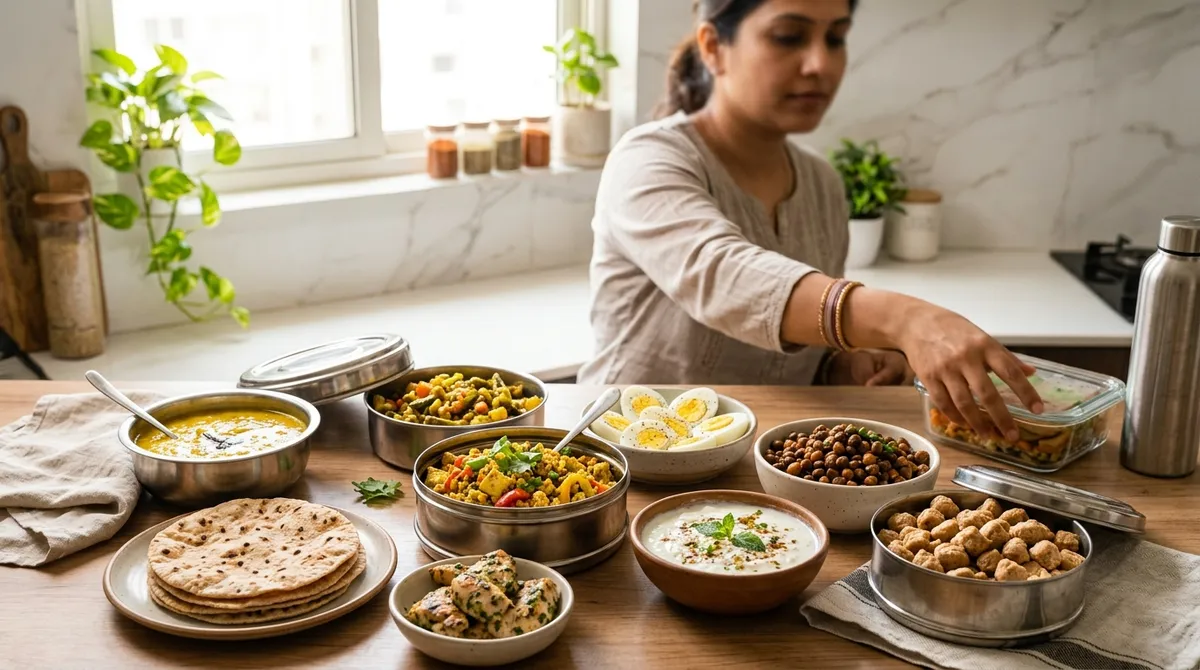
According to recent reports from fitness professionals, many busy Indian women are struggling to meet their daily protein needs despite eating seemingly healthy meals. Common staples like dal-roti-sabzi, poha, dosa, and khichdi, while nutritious, often fall short on protein content when consumed alone.
This nutritional gap has prompted fitness coaches to develop practical "protein anchors" - simple additions that can transform everyday Indian meals into protein-rich plates without complicating preparation or breaking the budget.
Understanding Your Daily Protein Target
Reports indicate that busy Indian women should aim for approximately 90-120 grams of protein daily to support fat loss, strength building, hormone balance, and healthy aging. This target reflects a growing wellness trend in India, where the focus is shifting from simple calorie-cutting to building balanced, sustainable meals.
The Ultimate Protein Cheat Sheet
Fitness professionals have identified 15 key protein anchors that can easily integrate into Indian cooking:
Animal-Based Proteins
- 4 whole eggs: 24g protein
- 200g egg whites: 22g protein
- 100g chicken breast: 25-30g protein
- 100g fish: 22-25g protein
- 100g prawns: 20-24g protein
Vegetarian Protein Sources
- 100g paneer: 18-20g protein
- 150g tofu: 18-22g protein
- 200g Greek yogurt/hung curd: 18-22g protein
- 1 scoop whey/plant protein: 22-25g protein
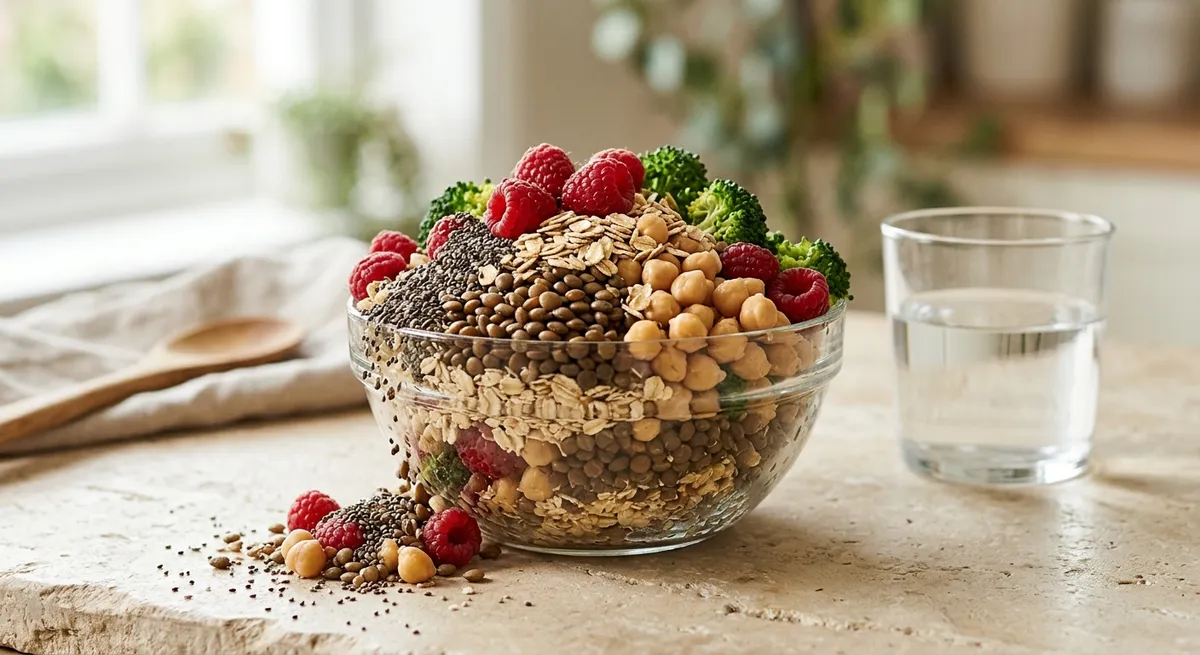
- 1 cup cooked chana/rajma/dal: 12-18g protein
- 50g soya chunks (dry weight): 25g+ protein
- 100g tempeh: 18-20g protein
Smart Protein Combinations
According to reports, combining familiar ingredients can create powerful protein-rich meals:
- 1 bowl curd + 2 boiled eggs: 25g protein
- 2 besan chillas + curd: 22-28g protein
- Paneer/tofu bhurji + 1 roti: 25g+ protein
These combinations demonstrate how traditional Indian flavors can be maintained while significantly boosting protein content.
Upgrading Traditional Indian Meals
The key insight from fitness professionals is showing women how to upgrade familiar dishes without making them complicated or expensive. This approach addresses the reality that busy women need practical solutions that fit into their existing routines and cultural food preferences.
Quick Protein Fixes for Busy Schedules
Reports suggest that the strongest content opportunity lies in 5-minute protein fixes specifically designed for working women. These solutions focus on:
- Adding protein anchors to existing dal-roti-sabzi combinations
- Quick breakfast upgrades using eggs or Greek yogurt
- Snack options that incorporate chana, rajma, or soya chunks
- Dinner modifications using paneer, tofu, or chicken
The Vegetarian vs Non-Vegetarian Advantage
According to the analysis, both vegetarian and non-vegetarian women have ample options for meeting protein goals. Vegetarian sources like soya chunks, paneer, and legumes can provide substantial protein when properly portioned, while non-vegetarian options offer concentrated protein in smaller servings.
Why Protein Matters More Than Ever
Reports indicate that protein has become a major wellness focus in India, particularly among women balancing multiple responsibilities. The shift represents a move away from restrictive dieting toward building sustainable eating patterns that support long-term health goals.
This protein-focused approach addresses several concerns simultaneously: maintaining energy levels during busy days, supporting fitness goals, and ensuring adequate nutrition for hormonal health and aging.
Making It Work in Real Life
The practical nature of this protein cheat sheet reflects an understanding of Indian women's daily realities. Rather than suggesting complete dietary overhauls, the approach focuses on strategic additions and modifications to existing meal patterns.
By focusing on familiar ingredients and cooking methods, this system provides a sustainable path to better nutrition without requiring extensive meal prep time or exotic ingredients that may not be readily available in Indian markets.