The Science Behind Stress and Food Choices
When stress hits, our brains naturally gravitate toward tastier, less healthy foods. According to reports from a small study, this tendency becomes even stronger when we're dealing with hunger and cravings simultaneously. However, nutrition experts are promoting a simple yet effective strategy called "precommitment" to help combat this common wellness challenge.
Precommitment involves making food decisions before stress, hunger, or cravings take control. Rather than relying on willpower in the moment, this approach focuses on removing temptations ahead of time to support healthier choices.
How Precommitment Works in Practice
The concept behind precommitment is straightforward: when you're calm and thinking clearly, you make decisions for your future stressed or hungry self. Dietitians report this strategy can be particularly effective for people juggling busy schedules and experiencing decision fatigue.
By planning ahead, you create what nutrition experts call "future-you" food systems. These systems make healthy eating feel easier and less restrictive, rather than requiring more discipline in challenging moments.
Practical Precommitment Strategies
Kitchen Design for Automatic Healthy Choices
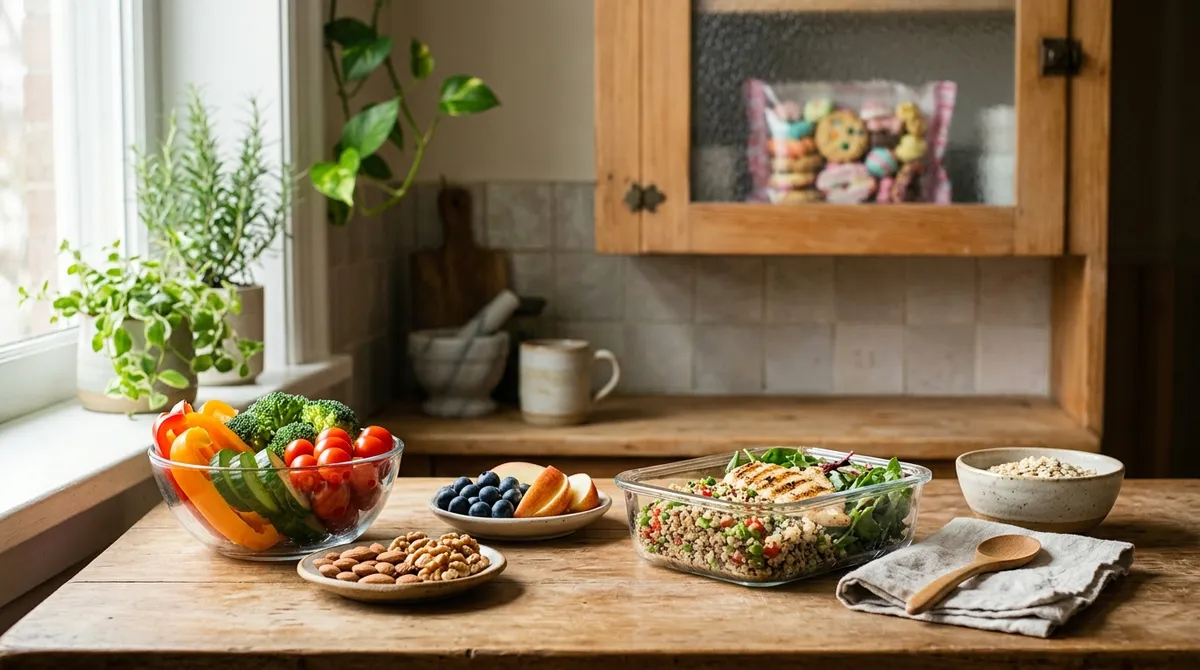
According to reports, one of the most effective ways to implement precommitment is designing your kitchen environment to favor healthy options. This might involve keeping nutritious snacks at eye level while storing less healthy options out of immediate reach.
Grocery Planning Systems
Dietitians suggest creating detailed grocery lists when you're not hungry or stressed. This precommitment approach helps ensure your shopping trips align with your health goals rather than momentary cravings.
Meal Prep and Snack Planning
Preparing meals and snacks in advance serves as a form of precommitment. When stress strikes and decision fatigue sets in, having healthy options readily available removes the need to make food choices in the moment.
Restaurant Menu Planning
Another practical application involves reviewing restaurant menus online before dining out. By making selections when you're not hungry or stressed, you can commit to healthier choices ahead of time.
Why This Strategy Resonates Now
Stress eating has become an increasingly common wellness challenge as people navigate busy lifestyles and competing health goals. According to reports, the precommitment strategy offers a practical, dietitian-backed alternative to simply relying on willpower.
The approach addresses decision fatigue, which can make it particularly difficult to stick to healthy eating patterns throughout the day. By removing the need to make food decisions during stressful moments, precommitment can help maintain consistent nutrition habits.
Additional Benefits Beyond Health
Nutrition experts note that precommitment strategies often provide financial benefits as well. Meal prep and planned grocery shopping typically result in reduced food waste and fewer impulse purchases, making healthy eating more budget-friendly.
The strategy also helps streamline daily routines, potentially reducing overall stress levels by eliminating repeated food-related decisions throughout the day.
Getting Started with Precommitment
To begin implementing precommitment, dietitians suggest starting small with one area, such as planning healthy snacks for the work week. Once this becomes routine, you can expand to other areas like meal prep or grocery planning.
The key is making these decisions during calm moments when your judgment isn't influenced by immediate hunger, stress, or cravings. According to reports, this simple shift in timing can make a significant difference in maintaining consistent healthy eating patterns.
While the concept has a formal name, precommitment is essentially about being proactive rather than reactive with food choices, creating systems that support your health goals even when willpower runs low.