The Science Behind Stress and Food Choices
When stress strikes, many people find themselves reaching for less nutritious options despite their best intentions. According to reports, a small study revealed that stress pushes people toward tastier, less healthy foods - a phenomenon that has become increasingly common as people juggle busy schedules and face decision fatigue.
Nutrition experts are now highlighting a simple yet effective strategy called "precommitment" to combat this challenge. This approach involves making food decisions before stress, hunger, or cravings hit, essentially setting up your future self for success.
What Is Precommitment?
Precommitment may sound like a complex concept, but according to reports, it's actually quite simple. The strategy centers on removing temptations ahead of time and creating systems that support healthier choices when your willpower might be compromised.
This dietitian-backed approach offers a practical alternative to relying solely on willpower during stressful moments. Instead of fighting cravings in the heat of the moment, precommitment allows you to make thoughtful decisions when you're calm and focused.
Designing Your Kitchen for Automatic Healthy Choices
One of the most effective ways to implement precommitment is by designing your kitchen environment to support your health goals. According to nutrition experts, this involves strategically organizing your space so that healthy choices become the path of least resistance.
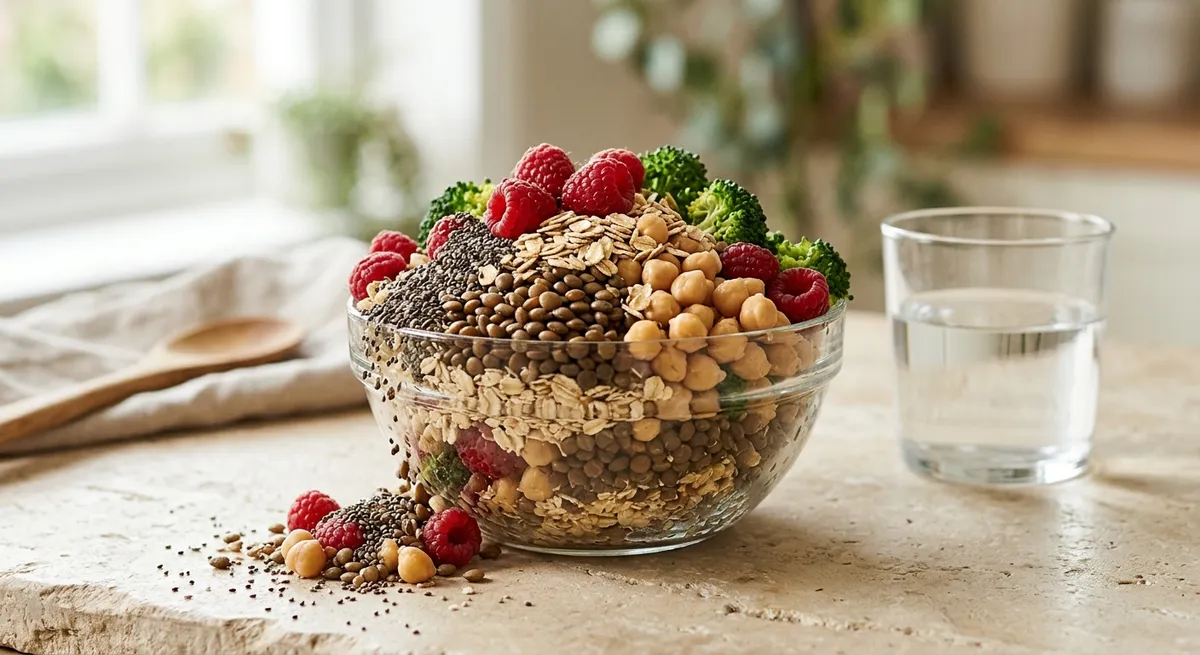
Consider keeping nutritious snacks at eye level in your pantry and refrigerator, while placing less healthy options in harder-to-reach places. Stock your kitchen with ingredients that align with your nutritional goals, making it easier to prepare wholesome meals even when you're pressed for time.
Practical Precommitment Strategies
Meal Planning and Prep
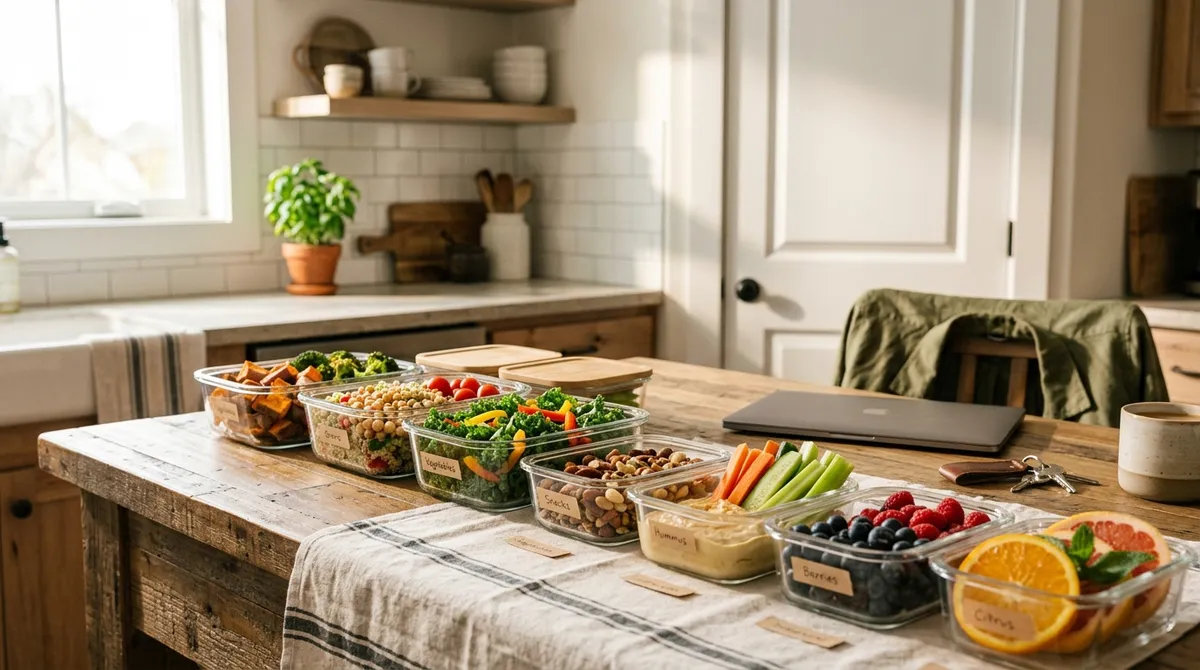
According to reports, meal prep serves as a powerful precommitment tool that can also save money. By preparing meals and snacks in advance, you're making healthy eating decisions during a calm, organized moment rather than during a stressful rush.
Create weekly meal plans that include balanced options for breakfast, lunch, dinner, and snacks. This approach helps eliminate the daily question of "what should I eat?" which often leads to impulsive, less nutritious choices.
Strategic Grocery Shopping
Developing thoughtful grocery lists before shopping represents another form of precommitment. When you plan your purchases ahead of time, you're more likely to stick to nutritious options and avoid impulse buys that might derail your health goals.
Consider shopping with a list organized by food categories or store layout to make the process more efficient and reduce decision fatigue while you're there.
Restaurant Menu Planning
According to nutrition experts, precommitment can extend beyond your home kitchen. When dining out, consider reviewing restaurant menus online before arriving. This allows you to make thoughtful choices about what to order without the pressure of deciding in the moment while hungry or stressed.
Making Healthy Eating Feel Easier
The strongest appeal of precommitment lies in making healthy eating feel easier and less restrictive rather than requiring more discipline. According to reports, this approach acknowledges that willpower has limitations and instead focuses on creating systems that work with human psychology rather than against it.
By removing the need to make food decisions during challenging moments, precommitment helps reduce the mental load associated with maintaining healthy eating habits. This can be particularly valuable for people dealing with busy schedules or high-stress periods.
Beating Decision Fatigue
Decision fatigue - the declining quality of decisions made after a long session of decision-making - affects everyone. According to nutrition experts, this phenomenon can significantly impact food choices, often leading people to select convenient but less nutritious options.
Precommitment strategies directly address decision fatigue by moving food-related decisions to times when your mental energy is fresh. Whether it's planning meals for the week or packing healthy snacks for busy days, these advance preparations can help maintain consistent nutrition even during demanding periods.
Building Your Precommitment System
To implement precommitment effectively, start by identifying your personal stress-eating triggers and the situations where you typically make less healthy food choices. Then, create specific strategies to address these scenarios before they occur.
Consider starting small with one or two precommitment strategies, such as weekly meal planning or keeping healthy snacks readily available. As these habits become established, you can gradually expand your system to cover more aspects of your eating routine.
According to reports, the key is consistency rather than perfection - building sustainable systems that support your health goals over the long term.